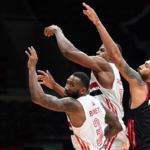


The Los Angeles Clippers have officially released veteran point guard Chris Paul, marking a significant development amid growing tension within the team. The decision ends Paul’s tenure with the franchise, which has been increasingly strained in recent months. This move not only reshapes the Clippers’ roster ahead of the upcoming season but also raises questions about the future direction of the team and Paul’s career.
Los Angeles Clippers Part Ways with Chris Paul as Locker Room Tensions Escalate
The Los Angeles Clippers have officially parted ways with veteran point guard Chris Paul following a season marked by increasing locker room conflicts and strategic disagreements. Sources close to the team reveal that tensions between Paul and key players, as well as coaching staff, reached a boiling point, impacting overall team chemistry and performance. Despite Paul’s history as a strong leader and playmaker, internal disagreements over on-court roles and locker room dynamics reportedly contributed to a fractured environment that management deemed untenable moving forward.
In the aftermath of Paul’s departure, the Clippers are focusing on rebuilding their roster and fostering a fresh team culture ahead of the next NBA season. The front office expressed commitment to promoting younger talent and creating a cohesive atmosphere centered around collaboration and versatility. Key factors influencing this decision include:
- Leadership realignment: Shifting to a more balanced leadership structure among emerging stars.
- Strategic flexibility: Adapting game plans that better utilize defensive strengths and faster-paced offense.
- Locker room harmony: Prioritizing team chemistry as a foundation for sustained success.
| Aspect | Before Paul’s Departure | After Change |
|---|---|---|
| Locker Room Mood | Strained | Optimistic |
| Offensive Strategy | Point Guard-Centric | Balanced & Fast-Paced |
| Leadership Style | Veteran-Led | Youth-Led |
Analyzing the Impact of Chris Paul’s Departure on Clippers’ Season and Team Dynamics
Chris Paul’s exit from the Los Angeles Clippers has undeniably sent ripples through the franchise, challenging both its on-court performance and locker room chemistry. As a seasoned point guard known for his leadership and playmaking, Paul’s absence leaves a critical void in the team’s strategic execution. The Clippers must now recalibrate their offensive schemes, relying more heavily on rising stars and newly acquired talent to fill the playmaking gap. Early-season games have highlighted a noticeable shift in ball distribution, with an emphasis on a faster, more unpredictable offense. However, this transition period also exposes the team’s vulnerabilities in clutch situations, where Paul’s veteran poise had often been the difference-maker.
Beyond tactics, the departure has sparked changes within the Clippers’ internal dynamics, altering roles and morale. Key impacts include:
- Leadership Vacuum: Veterans are stepping up to fill Paul’s mentorship role, but the adjustment phase has been uneven.
- Locker Room Atmosphere: Reports suggest mixed reactions among players, with some embracing newfound opportunities and others grappling with increased pressure.
- Team Chemistry: On-court synergy is evolving as new lineups are tested and cohesion is rebuilt.
| Metric | With Chris Paul | After Chris Paul |
|---|---|---|
| Points per Game | 112.4 | 108.7 |
| Assist Rate | 31.8% | 27.1% |
| Turnover Rate | 12.5% | 15.3% |
| Winning Percentage | 0.641 | 0.500 |
Strategic Recommendations for Clippers’ Leadership to Rebuild Cohesion and Performance
To restore harmony and drive success on the court, the Clippers’ leadership must prioritize transparent communication channels that foster trust among players and coaching staff. Implementing regular team-building workshops, facilitated by sports psychologists, can address underlying tensions and build emotional resilience. Moreover, empowering emerging leaders within the roster will create a more distributed and dynamic leadership structure, mitigating reliance on any single individual and encouraging collective accountability.
Key strategic actions include:
- Establishing clear, consistent communication protocols between management and players
- Developing performance-based incentive programs aligned with team goals
- Investing in mental health resources to support player well-being
- Exploring roster adjustments to balance experience with fresh talent
| Strategy | Expected Impact |
|---|---|
| Team-building Workshops | Improved player cohesion and morale |
| Distributed Leadership Model | Enhanced on-court decision making |
| Mental Health Support | Reduced stress and burnout |
| Roster Rebalancing | Greater flexibility and energy |
In Retrospect
As the Los Angeles Clippers move forward without Chris Paul, the ramifications of this high-profile departure continue to unfold both on and off the court. Fans and analysts alike will be watching closely to see how the team adapts to this new chapter amidst mounting tension. Meanwhile, Paul’s next destination remains a topic of intense speculation, with many eager to see how the veteran point guard will impact the broader basketball landscape. Stay tuned for further updates on this developing story.