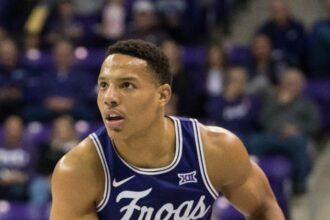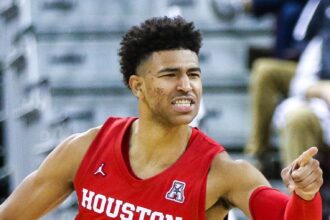
As the Minnesota Timberwolves explore options to bolster their backcourt, the Chicago Bulls’ trio of young guards-Coby White, Ayo Dosunmu, and Tre Jones-have emerged as potential trade targets. Each player brings a distinct skill set and upside, raising questions about which guard would best fit Minnesota’s roster and playing style. This article examines the strengths and fit of White, Dosunmu, and Jones to assess which Chicago guard makes the most sense in a possible trade scenario for the Timberwolves.
Coby White’s Scoring Potential and Fit in Minnesota’s Backcourt
Coby White’s dynamic scoring ability and offensive versatility make him a captivating asset for Minnesota’s backcourt depth. Known for his quick release and ability to create shots both off the dribble and catch-and-shoot scenarios, White can stretch defenses and provide instant offense. His career average of 15.1 points per game and a respectable 38% shooting from beyond the arc underscore his scoring potential. Adding him alongside a playmaking guard would allow the Timberwolves to diversify their attack without sacrificing floor spacing.
Fitting White seamlessly into Minnesota’s rotation depends largely on pairing him with a complementary ball-handler who can ease playmaking duties, potentially allowing White more freedom to exploit scoring opportunities. His blend of quickness and shooting could be a strong counterbalance to the Timberwolves’ more physical backcourt players. Below is a quick glance at how White stacks up in key shooting metrics compared to current Minnesota guards:
| Player | PPG | 3P% | Usage Rate |
|---|---|---|---|
| Coby White | 15.1 | 38% | 22% |
| D’Angelo Russell | 19.0 | 35% | 26% |
| Jaden McDaniels | 11.3 | 36% | 19% |
- Strengths: Three-point shooting, quickness, clutch scoring
- Considerations: Consistency, defensive lapses, adjustment to new system
Evaluating Ayo Dosunmu’s Defensive Prowess and Playmaking Ability for the Timberwolves
Ayo Dosunmu’s defensive upside has been steadily gaining recognition, especially within the context of the Timberwolves’ structural needs. Known for his tenacity and positional awareness, Dosunmu offers a blend of agility and anticipation that allows him to disrupt passing lanes and challenge perimeter shooters effectively. His lateral quickness and willingness to engage in physical play make him a promising asset in defensive rotations. Furthermore, his ability to guard multiple positions aligns well with Minnesota’s defensive schemes that rely on versatility to switch seamlessly across assignments.
On the playmaking front, Dosunmu has demonstrated steady growth in managing the offense under pressure. His court vision is notable, often making the extra pass to create open looks for teammates, a valuable trait for a Timberwolves roster eager for consistent secondary ball-handlers. While not a primary playmaker by trade, his assist-to-turnover ratio and decision-making in pick-and-roll scenarios suggest a maturity that could complement Minnesota’s star-driven system. Below is a quick comparison of Dosunmu’s defensive metrics versus typical Timberwolves guards:
| Metric | Ayo Dosunmu | Timberwolves Avg. |
|---|---|---|
| Defensive Rating | 106.3 | 109.7 |
| Steals per 36 min | 1.6 | 1.2 |
| Assist-to-Turnover Ratio | 2.5 | 1.8 |
- Defensively agile: excels in on-ball pressure and help defense.
- Playmaking growth: reliable secondary facilitator with low turnovers.
- Versatility: effective guarding multiple perimeter positions.
Tre Jones’s Experience and Leadership as Key Factors in a Bulls-Timberwolves Trade
Tre Jones’s journey in the NBA so far underscores a blend of experience and maturity that few guards his age possess. Despite being relatively young, Jones has carved out a reputation as a reliable floor general known for his tenacious defense and high basketball IQ. His ability to control tempo and make smart decisions under pressure complements Minnesota’s team dynamics, especially considering their need for a steady playmaker who can facilitate the offense without needing the ball in his hands constantly. Furthermore, Jones’s leadership qualities extend beyond the stat sheet; he’s frequently lauded for his locker room presence, setting a tone of professionalism and accountability that the Timberwolves would value highly.
When evaluating trade fit, it’s essential to consider how Jones’s intangible assets align with Minnesota’s developmental timeline. The Wolves, aiming to nurture young talent like Anthony Edwards and Patrick Beverley, would benefit from a guard who not only contributes defensively but also mentors emerging players. His experience playing alongside various veterans and navigating playoff atmospheres could ease the pressure on Minnesota’s younger core. Below is a snapshot of Jones’s key attributes that make him a compelling trade candidate:
- Defensive versatility: Capable of guarding multiple perimeter positions.
- Playmaking skills: Efficient passer with low turnover rates.
- Leadership: Vocal presence and strong work ethic.
- Statistical contributions: Balanced scoring coupled with assist-to-turnover management.
| Attribute | 2023-24 Season Stats | Impact Potential in Minnesota |
|---|---|---|
| Points per game | 9.3 | Complementary scorer |
| Assists per game | 5.6 | Primary facilitator |
| Steals per game | 1.4 | Defensive disruptor |
| Turnover ratio | Low | Safe ball handler |
Wrapping Up
As the Chicago Bulls and Minnesota Timberwolves explore potential trade scenarios, the decision on which guard makes the most strategic sense hinges on both teams’ immediate needs and long-term visions. Whether it’s Coby White’s scoring upside, Ayo Dosunmu’s two-way versatility, or Tre Jones’s steady playmaking, each option carries distinct advantages and risks. Ultimately, the unfolding negotiations will reveal which player fits best into Minnesota’s roster while balancing Chicago’s rebuilding priorities. Fans and analysts alike will be watching closely as this possible deal develops in the coming weeks.