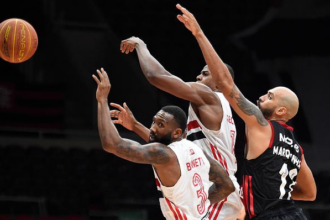
The Phoenix Suns are facing a stark reality as late-game offensive struggles continue to undermine their potential in critical moments. Despite possessing a talented roster capable of high-scoring bursts, the team has repeatedly faltered in closing out games, prompting questions about strategy and execution during crunch time. This article explores the challenges the Suns are encountering in their late-game offense, while also highlighting the promising adjustments and bright spots that suggest a path forward.
Suns Struggle to Close Out Games Despite Strong Offensive Talent
The Phoenix Suns have displayed moments of offensive brilliance this season, powering their way through defenses with an arsenal of scorers capable of lighting up the scoreboard. However, a recurring pattern of faltering in the critical closing moments reveals that talent alone isn’t enough to secure victories. Despite having potent weapons like Devin Booker and Kevin Durant, the Suns often struggle with execution under pressure, leading to sloppy turnovers and missed high-percentage shots. Defenses tighten up, and what once appeared as smooth scoring opportunities transform into contested desperation plays.
Several factors contribute to this late-game stumbling, ranging from communication breakdowns to an apparent lack of a consistent go-to strategy. The table below summarizes key metrics that highlight the Suns’ inefficiencies during the final five minutes of close contests:
| Metric | League Rank | Suns Stats | League Average |
|---|---|---|---|
| Field Goal % (Final 5 mins) | 22nd | 42.3% | 46.7% |
| Turnovers per Game (Last 5 mins) | 28th | 3.1 | 1.9 |
| Points Allowed per Possession | 25th | 1.12 | 0.98 |
- Inconsistent shot selection exacerbates pressure situations.
- Defensive adjustments by opponents reduce open looks for key players.
- Fatigue and mental lapses affect decision-making in crunch time.
As the Suns continue to mature as a team, recognizing and addressing these late-game issues will be vital. Developing sharper situational awareness and fostering trust in clutch moments could turn those frustrating losses into wins, illuminating the true potential of Phoenix’s formidable roster.
Analyzing Key Mistakes in Late Game Execution and Decision Making
The Suns have displayed moments of brilliance throughout the season, but it’s their late game execution that consistently underlines their struggles. One glaring issue has been hesitation in playmaking during crunch time, resulting in forced shots and turnovers. Instead of trusting set plays or going to their proven scorers, key players often attempt low-percentage isolation moves. This not only kills momentum but plays directly into opponents’ defensive schemes. Additionally, the Suns’ defense has faltered in clutch moments, allowing easy transition points that swing the tide decisively against them.
Analyzing the decision-making pitfalls further reveals a pattern of miscommunication and poor shot selection once the clock winds down. The following table highlights typical late game errors noted over the last five matches, providing a snapshot of the challenges Atlanta continues to face:
| Key Mistake | Impact | Frequency |
|---|---|---|
| Forced Isolation Plays | Turnovers / Missed Opportunities | 4/5 Games |
| Poor Shot Selection | Low Field Goal % | 5/5 Games |
| Defensive Lapses | Easy Opponent Scores | 3/5 Games |
| Late Clock Mismanagement | Lost Possessions | 2/5 Games |
Going forward, emphasizing a collaborative offensive approach, clearer in-game communication, and situational awareness could help the Suns convert tight contests into wins. Without adjustments, these recurring mistakes will continue to hinder their progression in high-pressure moments.
Coaching Strategies and Player Adjustments Needed for Improved Clutch Performance
To enhance clutch performance, the Suns’ coaching staff must prioritize simplifying offensive sets under pressure. Players often find themselves overthinking during critical moments, leading to missed opportunities and forced shots. Emphasizing fluid pick-and-roll actions and clear spacing principles can help reduce mental clutter and create higher-quality looks, especially for sharpshooters like Devin Booker and Kevin Durant. Additionally, implementing rotational substitutions that guarantee fresh legs and minimize fatigue can maintain offensive efficiency down the stretch, a factor currently undermining their late-game execution.
On the player’s side, embracing a prototype clutch mindset is imperative. This means developing trust in teammates and elevating decision-making speed. Key adjustments include:
- Prioritizing open shots over hero plays – recognizing when to pass or shoot without hesitation.
- Improving free throw consistency – a critical element often overlooked in tight finishes.
- Mastering mid-range pull-ups and floaters – versatile scoring tools when defenses collapse.
| Focus Area | Current Suns Stats | Target Improvement |
|---|---|---|
| Late-Game FG % | 38% | 45%+ |
| Free Throw % (4th Q) | 72% | 80%+ |
| Assist Rate (final 5 mins) | 15% | 25%+ |
The Conclusion
As the Phoenix Suns continue to grapple with late-game offensive challenges, the lessons learned from these critical moments could prove pivotal in their quest for postseason success. While the struggles are evident, the team’s resilience and willingness to adapt offer a promising outlook. Fans and analysts alike will be watching closely to see how the Suns translate these hard-earned insights into more decisive performances when it matters most. The bright side, as always, lies in the potential for growth and the determination to overcome adversity under the arena lights.