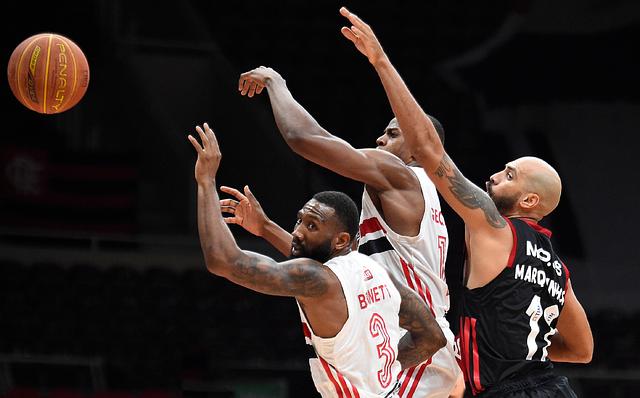
As the 2024 NBA season tip-off approaches, fans and analysts alike are turning their attention not just to the matchups on the court, but to the league’s demanding schedule. NBC Sports breaks down the numbers behind the NBA calendar, revealing which teams will enjoy the most televised home games and which franchises face the toughest stretches with the most back-to-back contests. Understanding the schedule’s structure provides insight into potential advantages and challenges that could shape the season’s storylines before a single tip-off.
NBA Teams with the Most Televised Home Games Unveiled
Several franchises are commanding prime television real estate this season, with the Los Angeles Lakers and Golden State Warriors topping the list for the most televised home games. These teams not only draw massive national audiences but also benefit from extensive media coverage due to their star-studded rosters and historic significance. Close behind are the Brooklyn Nets and Milwaukee Bucks, who also enjoy a robust TV presence bolstered by strong fan engagement and competitive performance.
Networks have strategically allocated broadcast slots, emphasizing marquee matchups and market size. This trend highlights how media contracts continue to shape the NBA’s visibility. Below is a snapshot of the top five teams leading in televised home games this season:
| Team | Televised Home Games |
|---|---|
| Los Angeles Lakers | 38 |
| Golden State Warriors | 36 |
| Brooklyn Nets | 34 |
| Milwaukee Bucks | 33 |
| Chicago Bulls | 31 |
Examining the Grind How Back-to-Backs Impact Team Performance
Back-to-back games remain one of the NBA’s most grueling scheduling challenges, often forcing teams into a punishing cycle of limited recovery time and heightened physical toll. Statistics show that teams enduring the highest number of consecutive game sets see noticeable dips in shooting efficiency and defensive rating. The rapid turnaround restricts preparation and rest, compounding fatigue that accumulates as the season progresses. This relentless grind not only tests player endurance but often alters coaching strategies, with rotations tightened to preserve marquee players for crucial moments.
Some franchises have adapted by focusing on depth and load management, using their benches to mitigate the impact of these packed stretches. Teams with the most back-to-backs generally display increased injury risks and a drop in win percentage during these sequences. The table below highlights a snapshot of the five teams facing the most back-to-backs this season, showcasing their win percentage in those games versus their overall season performance.
| Team | Back-to-Back Sets | Win % on Back-to-Backs | Overall Season Win % |
|---|---|---|---|
| Denver Nuggets | 16 | 38% | 58% |
| Boston Celtics | 15 | 42% | 62% |
| Memphis Grizzlies | 14 | 36% | 55% |
| Atlanta Hawks | 13 | 31% | 50% |
| Cleveland Cavaliers | 13 | 40% | 53% |
- Win percentages drop by an average of 20% during back-to-back games compared to regular matchups.
- Injury rates spike in weeks dense with back-to-backs, prompting increased scrutiny on player health protocols.
- Teams with greater bench depth tend to manage these periods more effectively, maintaining competitive play despite short rest.
Examining the Grind: Impact of Back-to-Back Games in the NBA
Overview:
Back-to-back games present one of the toughest scheduling challenges in the NBA, stressing teams physically and tactically. The compressed schedule results in limited recovery and preparation time, leading to fatigue that worsens as the season continues. This fatigue can diminish shooting efficiency and defensive effectiveness.
Effects on Teams:
- Performance Decline: Teams playing the most back-to-back games see their win percentage drop significantly-on average by about 20% compared to their overall season performance.
- Injury Risk: Periods dense with back-to-back games correspond to higher injury rates, making player health management more critical.
- Coaching Adjustments: Coaches often tighten player rotations during these stretches to preserve star players for key moments.
Adaptations:
Some franchises emphasize bench depth and strategic load management to cope with these taxing schedules, enabling them to sustain better performance despite fatigue.
Data Snapshot (Current Season):
| Team | Back-to-Back Sets | Win % on Back-to-Backs | Overall Season Win % |
|---|---|---|---|
| Denver Nuggets | 16 | 38% | 58% |
| Boston Celtics | 15 | 42% | 62% |
| Memphis Grizzlies | 14 | 36% | 55% |
| Atlanta Hawks | 13 | 31% | 50% |
| Cleveland Cavaliers | 13 | 40% | 53% |
Key Insights:
- All listed teams have noticeably lower win rates during back-to-back sets compared to their overall season performance.
- The Atlanta Hawks experience the steepest decline, dropping from 50% overall to just 31% on back-to-backs.
- Boston Celtics maintain the highest win percentage in both categories, suggesting better adaptation or roster depth.
Summary Points:
- Average win percentages drop by about 20% during back-to-back games.
- Injury risks escalate during these high-density scheduling weeks.
- Teams with solid bench rotation and load management strategies tend to weather these periods more effectively.
If you need help with anything else, such as further analysis or recommendations for managing the back-to-back schedules, feel free to ask!
Strategic Recommendations for Optimizing Travel and Rest Days
To maximize performance during the grueling NBA season, teams must carefully balance travel demands with adequate rest. Prioritizing off-days immediately following long road trips helps players recover both physically and mentally, which can reduce injury risks and improve in-game focus. Coaches and management are increasingly leveraging data analytics to identify patterns that optimize rest periods, such as limiting consecutive back-to-back games and scheduling practices with recovery-focused protocols on heavier travel days.
Additionally, teams with more televised home games face unique pressures, from fan expectations to media obligations, necessitating smart logistical planning. Incorporating strategic rest days-often on non-game days after home stands-allows for mental decompression and tactical adjustments. Below is a snapshot of how some of the top teams are structuring their travel and rest to maintain peak competitiveness:
| Team | Back-to-Back Sets | Avg. Travel Miles/Game | Rest Days per 10 Games |
|---|---|---|---|
| Los Angeles Lakers | 12 | 350 | 3.4 |
| Boston Celtics | 9 | 275 | 4.1 |
| Golden State Warriors | 10 | 410 | 3.6 |
| Milwaukee Bucks | 11 | 300 | 3.8 |
- Limit consecutive back-to-backs: Spacing out these high-stress games helps maintain energy levels.
- Schedule strategic rest days: Rest days post-travel support better recovery and game preparation.
- Leverage travel efficiency: Choosing optimal flight times and accommodations minimizes fatigue.
- Incorporate mental health recovery: Off-court rest is equally critical for sustainable performance.
To Wrap It Up
As the NBA season progresses, the numbers behind the schedule reveal more than just dates and matchups-they highlight the unique challenges and advantages each team faces. From the teams with the most nationally televised home games to those enduring grueling back-to-back stretches, these factors can influence performance and fan engagement alike. Staying aware of these scheduling dynamics offers fans and analysts alike deeper insight into how the season might unfold. For the latest updates and in-depth analysis, keep following NBC Sports as the story of the NBA schedule continues to develop.