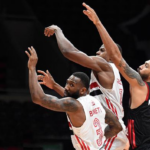

As the NBA playoffs loom, the Orlando Magic find themselves at a critical crossroads where the elusive “clutch factor� could determine their postseason destiny. With a roster brimming with young talent yet lacking consistent late-game execution, the Magic’s ability to perform under pressure will be closely scrutinized. This article delves into how key moments in tight games have shaped Orlando’s current standing and why developing a reliable clutch repertoire may be the deciding element in their quest for playoff success.
Clutch Performances Key to Unlocking Orlando Magic’s Postseason Success
In the unforgiving landscape of the NBA playoffs, moments matter more than ever, and the Orlando Magic’s ability to rise when the pressure mounts will likely define their postseason trajectory. Players such as Paolo Banchero and Franz Wagner have demonstrated flashes of brilliance, but translating late-game execution into consistent clutch performances remains essential. Success in tight games demands more than talent; it hinges on poise, decision-making, and a fearless approach in crunch time. The Magic’s bench depth and defensive adjustments under coach Jamahl Mosley also factor heavily into closing out games when the stakes are highest, highlighting the importance of contributions beyond just the starters.
Analyzing the Magic’s recent tight contests reveals a clear pattern: games decided by five points or fewer often expose a lack of decisive scoring and defensive stops. Below is a snapshot of Orlando’s performance in those scenarios this season, emphasizing areas ripe for improvement:
| Stat Category | Magic in Clutch | League Average |
|---|---|---|
| Field Goal % (Last 5 min) | 41.3% | 45.6% |
| Defensive Stops | 12 per game | 15 per game |
| Turnovers (Final 5 min) | 3.4 per game | 2.1 per game |
| Points off Turnovers | 8.9 per game | 6.3 per game |
- Improved shot selection during crunch time to boost efficiency.
- Stronger communication on defense to create more stops.
- Minimizing turnovers to keep possession in critical moments.
Addressing these clutch-time challenges could provide the Magic with the margin they need to advance deeper into the playoffs-and sharpen their identity as a team able to perform when everything is on the line.
Analyzing Late-Game Execution and Its Impact on Magic’s Playoff Push
When the Orlando Magic step onto the court in crunch time, the ability to execute plays with precision often becomes the dividing line between victory and defeat. Late-game struggles have been a recurring theme for the squad, where unforced errors and stagnant offensive sets have stalled momentum during pivotal moments. Key players are frequently pressured into rushed decisions, undermining the team’s rhythm and missing opportunities to capitalize on defensive lapses. It’s in these high-stakes situations where experience and composure are tested, and unfortunately, the Magic have shown inconsistency that has cost them several winnable games.
Analyzing the factors contributing to late-game shortcomings reveals several areas requiring immediate attention:
- Insufficient ball movement leading to predictable offensive patterns
- Defensive lapses allowing critical easy baskets for opponents
- Inability to close out games efficiently in the final 5 minutes
- Limited clutch-time scoring options besides primary stars
| Metric | Magic Last 10 Games | League Average |
|---|---|---|
| FG% in Last 5 Minutes | 38% | 44% |
| Turnovers per Game | 15.2 | 13.1 |
| Points Allowed Last Quarter | 27.6 | 24.8 |
Without significant improvement in these clutch-time metrics, the Magic’s push towards the playoffs risks being undermined. Developing a structured late-game offensive system alongside bolstering defensive endurance could be the pivot that changes their fate in close contests. As the postseason looms, the urgency to turn tight-game execution around cannot be overstated.
Strategic Adjustments Needed to Enhance Clutch Scoring and Defensive Efficiency
As the regular season winds down, the Magic’s ability to convert critical opportunities during high-pressure moments remains under the microscope. Increasing clutch scoring output requires a recalibrated offensive approach that empowers reliable finishers while maintaining ball movement to keep defenses off balance. The team must emphasize creating open looks for their most efficient shooters and encourage assertive drives to the basket, especially within the final five minutes of close games. Implementing targeted in-game adjustments like quick pick-and-rolls and exploiting mismatches can provide the edge needed to tilt tight contests in Orlando’s favor.
On the defensive end, consistency is non-negotiable. The Magic need to reinforce principles such as communication, help defense, and controlled aggression to minimize lapses that opponents exploit in crunch time. Prioritizing defensive assignments for key moments allows the team to clamp down on opposing clutch performers. Focus areas include:
- Switching seamlessly on screens to avoid easy catch-and-shoot situations
- Boxing out effectively to prevent second-chance points
- Reducing fouls to prevent free throws during endgame scenarios
| Area | Current Efficiency | Target Improvement |
|---|---|---|
| Clutch Scoring FG% | 41.3% | 45%+ |
| Defensive Rating (Last 5 mins) | 112.4 | 105 or lower |
| Opponent 3P % in Clutch | 38% | 32% or lower |
The Conclusion
As the Orlando Magic approach the critical stretch of the season, their ability to execute under pressure-their clutch factor-will likely determine whether they secure a coveted playoff spot. With a young roster showing promise but still searching for consistency, the Magic’s fate hangs in the balance. Fans and analysts alike will be watching closely to see if this team can develop the poise and resilience needed to thrive in high-stakes moments, ultimately deciding their postseason destiny.