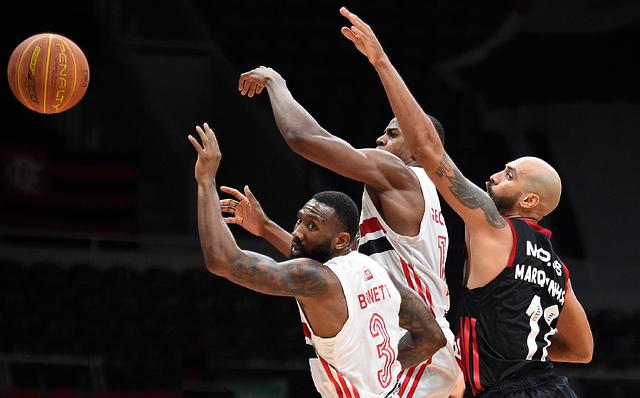
The NBA’s decision to implement a 65-game minimum requirement for major awards has sparked significant controversy, with critics arguing that the policy creates more challenges than it addresses. Intended to ensure that players demonstrate sustained performance throughout the season, the rule has instead raised questions about fairness, player health, and the true value of accolades. As this policy takes effect, players, analysts, and fans alike are debating whether the 65-game threshold undermines the spirit of competition and ultimately does more harm than good.
The Impact of the 65-Game Minimum on Player Health and Performance
The proposed 65-game minimum threshold for awards eligibility not only overlooks the physical toll on players but also risks incentivizing dangerous push-throughs of pain and fatigue. In a league where the average player experiences minor injuries frequently, forcing athletes to prioritize appearances over recovery could exacerbate chronic conditions, ultimately shortening careers. This approach disregards the rigorous and often brutal nature of an NBA season, where rest and load management have become crucial elements in maintaining peak performance. Players might be compelled to return prematurely from injury just to meet eligibility criteria, placing health at a significant disadvantage.
Moreover, this mandate could inadvertently dilute the quality of performance by emphasizing quantity over impact. Rather than celebrating excellence and contribution when truly at their best, players might focus on logging minutes, leading to a higher risk of diminished productivity on the court. Teams could also feel pressured to overutilize their stars instead of implementing smart rotation strategies that protect longevity. Below is a simple table illustrating potential effects on player condition and performance metrics when pushing for a minimum games played goal:
| Factor | Natural Approach | 65-Game Minimum Impact |
|---|---|---|
| Injury Risk | Moderate with Rest | Heightened due to forced returns |
| Performance Quality | High during select games | Often Lowered by fatigue |
| Load Management | Strategic, player-centered | Discouraged, “play through pain� culture |
| Long-Term Career | Potentially extended | Shortened by overuse |
How the Awards Threshold Skews Recognition and Undermines Team Dynamics
The imposition of a strict 65-game minimum for award eligibility inadvertently narrows the field of recognized talent, ignoring the nuance behind player contributions. Star athletes struggling with minor injuries or load management are sidelined from accolades despite their undeniable impact during the games they do play. This rigid cutoff fails to account for quality over quantity, penalizing players who carefully manage their health for peak performance. As a result, the league often celebrates availability rather than excellence, diluting the prestige of awards and creating a recognition culture that values mere presence over true impact.
Moreover, this threshold intensifies friction within team environments as players and coaching staffs grapple with balancing individual ambitions against collective goals. The pressure to meet the arbitrary games target can lead to rushed returns from injury or reduced opportunities for emerging talents, disrupting natural team dynamics. Consider the consequences detailed in the table below, which highlights common team challenges stemming from this mandate:
| Issue | Impact on Team | Resulting Problem |
|---|---|---|
| Overplaying Injured Stars | Increased injury risk | Long-term absences |
| Bench Players Receiving Less Time | Stunted development | Weakened depth |
| Pressure to Meet Game Minimum | Reduced team cohesion | Conflicted locker room |
Rethinking Eligibility Criteria to Balance Fairness with Flexibility
Strict award eligibility rules like the NBA’s 65-game minimum threshold often aim to uphold the integrity of honors, but they risk penalizing players who deliver exceptional contributions despite injuries or rest. A rigid floor disproportionately affects those navigating strategic load management or recovering from legitimate health setbacks, ultimately narrowing the pool of recognized talent. This not only overlooks the nuance behind a player’s season but also fosters an environment where games played become prioritized over true impact, distorting the value of awards such as MVP or Defensive Player of the Year.
Rather than enforcing a blunt minimum, adopting a more flexible, data-driven approach could balance fairness with context-sensitive judgment. Consider integrating metrics like:
- Percentage of team minutes actively played
- Advanced efficiency and contribution ratings
- Contextual factors such as injury severity or team role changes
Such a framework preserves award prestige while recognizing real-world conditions-allowing players to be honored for excellence, not just endurance.
| Criteria | Strict 65-Game Minimum | Proposed Flexible Model |
|---|---|---|
| Player Availability | Must hit 65 games played | Weighted minutes & impact metrics |
| Injury Consideration | None | Adjusted for injury context |
| Recognition Scope | Narrow, penalizes partial seasons | Broad, rewards quality over quantity |
In Conclusion
In sum, while the NBA’s intention behind the 65-game awards minimum aimed to reward durability and consistent availability, its implementation has sparked significant controversy and unintended consequences. Critics argue that the rule overlooks the nuances of player performance, health management, and team strategies, ultimately undermining the fairness and integrity of award selections. As the league continues to evolve, stakeholders will need to reassess this policy to better balance recognition of excellence with the realities of a demanding NBA season. Without such adjustments, the 65-game minimum risks remaining a divisive standard that complicates rather than clarifies the path to postseason honors.