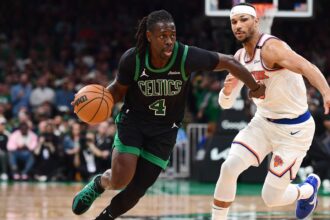
Don Nelson, a towering figure in NBA history, built a legacy defined by innovation and an uncanny ability to uncover exceptional talent in the most unexpected places. Celebrated as one of basketball’s greatest minds, Nelson’s unconventional strategies and keen eye for potential transformed teams and challenged traditional norms. As The New York Times explores, his career serves as a testament to how ingenuity and perseverance can reshape the game, leaving an indelible mark on the sport’s evolution.
Don Nelson’s Revolutionary Coaching Philosophy That Redefined NBA Strategy
Don Nelson revolutionized basketball by challenging the conventional wisdom of his era, transforming lineup construction and game tempo in ways that are now standard practice. Rejecting the traditional reliance on towering big men, Nelson embraced versatility and speed, often deploying smaller, more agile players to outpace and outthink his opponents. His innovative use of the “point forward“ role blurred positional boundaries, enabling his teams to maintain fluidity and unpredictability on the court. This approach not only maximized the unique skills of his rosters but also paved the way for a modern NBA defined by positionless basketball and high-powered offenses.
Nelson’s strategic ingenuity can be summarized in several groundbreaking elements that reshaped NBA coaching:
- Small-Ball Lineups: Prioritized speed and shooting over size, creating mismatches and spacing the floor.
- Emphasis on Pace: Increased possessions per game to exploit fast-break opportunities and wear down defenses.
- Positional Flexibility: Used players in unconventional roles, fostering adaptability and creativity.
| Coaching Innovation | Impact on NBA |
|---|---|
| Small-Ball Lineups | Enabled faster gameplay and versatile attack |
| Point Forward Role | Expanded playmaking beyond traditional guards |
| Increased Pace & Space | Set foundation for modern offenses focused on spacing and speed |
Unlocking Potential in Overlooked Players How Nelson Transformed Talent
Don Nelson’s coaching philosophy was groundbreaking in its emphasis on recognizing and cultivating talent beyond conventional scouting reports. Rather than focusing solely on top draft picks or established stars, Nelson had a keen eye for potential in players others often dismissed. His innovative approach revolved around tailoring strategies to individual skill sets, allowing overlooked players to excel in roles perfectly suited to their strengths. This philosophy not only expanded the talent pool but also reshaped how franchises valued versatility and adaptability.
Key examples of Nelson’s talent transformation include:
- Paul Pressey: A relatively unheralded player who became the prototype of the “point forward” under Nelson’s guidance.
- Kyle Korver: Transformed from a bench player to one of the league’s most lethal sharpshooters.
- Rick Mahorn: Initially seen as a role enforcer, adapted into a pivotal team defender and rebounder.
| Player | Initial Role | Nelson’s Impact |
|---|---|---|
| Paul Pressey | Bench Forward | Invented Point Forward Role |
| Kyle Korver | Peripheral Shooter | Elite Three-Point Specialist |
| Rick Mahorn | Role Enforcer | Key Defensive Anchor |
Lessons from Don Nelson Applying Unconventional Tactics in Modern Basketball
Don Nelson’s approach to basketball strategy disrupted traditional norms and birthed a new era of innovation. His willingness to embrace small lineups, positionless basketball, and rapid pace challenged the league’s slower, defense-heavy style. By placing shooters and versatile playmakers on the floor regardless of position, Nelson exploited mismatches and stretched defenses in unprecedented ways. This philosophy not only revitalized struggling teams but also forced opponents to rethink defensive schemes, a ripple effect still evident in today’s NBA dynamics.
Modern coaches who integrate his principles often rely on creative player utilization and adaptable tactics rather than rigid roles. Nelson’s blueprint emphasizes:
- Speed over size, using quick guards to overpower taller, slower defenders
- Spacing and floor balance to maximize three-point opportunities
- Regular position switching to confuse and destabilize opponents
The success of these methods is visible in high-scoring teams and the rise of the “small ball” era. His legacy is neatly summarized in this simple comparison of playstyle evolution:
| Era | Typical Lineup | Offensive Focus |
|---|---|---|
| Pre-Nelson | Tall centers, traditional roles | Post-up & mid-range shots |
| Nelson’s Era | Smaller, versatile players | Three-point shooting & fast breaks |
| Modern NBA | Positionless basketball | Spacing, switching defense, pace |
In Conclusion
Don Nelson’s legacy in the NBA remains a testament to innovation and fearless leadership. By finding value where others saw none, he reshaped the game and left an indelible mark on basketball history. As the league continues to evolve, Nelson’s approach serves as a reminder that greatness often emerges from the most unexpected places.