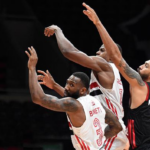


The Minnesota Timberwolves’ reported interest in Jonathan Kuminga has sparked conversation across the NBA landscape, but sources close to the matter indicate that the pursuit is largely a long shot. As the team explores roster upgrades ahead of the upcoming season, acquiring the dynamic young forward from the Golden State Warriors presents significant challenges both financially and competitively. This article delves into the factors that make the Timberwolves’ chase for Kuminga an uphill battle, examining the implications for Minnesota’s front office and future strategy.
Timberwolves Face Significant Challenges in Acquiring Jonathan Kuminga
The Minnesota Timberwolves face a maze of obstacles as they attempt to bring Jonathan Kuminga to their roster. Primarily, the financial constraints pose a considerable roadblock. The Warriors, Kuminga’s current team, hold significant leverage with a lucrative contract and a roster built around his potential. Additionally, the Wolves’ trade assets are limited, forcing management to consider risky moves or to give up promising young talent and future draft picks. These factors combine to make any deal complicated, with no clear path to a mutually beneficial agreement.
Key challenges in the potential acquisition include:
- Salary cap limitations restricting Minnesota’s offer flexibility
- Warriors’ unwillingness to part with a core rotational player
- Contrasting team-building timelines and priorities
| Aspect | Timberwolves | Warriors |
|---|---|---|
| Trade Assets | Limited | High Value – Kuminga & Others |
| Salary Cap Space | Moderate | Flexible |
| Timeline | Immediate Contention Focus | Rebuilding/Development |
| Risk Level | High (due to asset sacrifice) | Low (control of player) |
Analyzing the Impact of Salary Cap Constraints on Minnesota’s Trade Prospects
Facing the reality of salary cap limitations, the Minnesota Timberwolves’ chances of acquiring a high-profile talent like Jonathan Kuminga become increasingly complicated. The team’s existing contracts, especially those of its core players, leave limited room to maneuver under the NBA’s tightened cap guidelines. This financial squeeze curtails the flexibility needed to offer the kind of robust contract or trade assets Kuminga’s camp would demand. Without significant salary dumps or risky multi-player trades that may disrupt the squad’s chemistry, the Wolves’ options remain narrow.
To illustrate the constraints, consider the Wolves’ current salary commitments versus available cap space:
| Category | Amount ($M) |
|---|---|
| Committed Salaries | 135 |
| Luxury Tax Threshold | 150 |
| Available Cap Space | 5 |
This limited cap space highlights the impracticality of absorbing Kuminga’s contract without major sacrifices. Common strategies the Wolves might explore include:
- Bundling Players: Packaging multiple role players to match salaries
- Dumps and Waivers: Offloading large contracts to free room
- Sign-and-Trade Offers: Leveraging existing contracts creatively
Each method involves considerable risk and potential drop-off in roster quality, which explains why Minnesota’s front office is taking a cautious rather than aggressive approach in pursuit of Kuminga.
Strategic Alternatives for the Timberwolves to Strengthen Their Roster Without Kuminga
With the Jonathan Kuminga acquisition appearing increasingly unlikely, the Timberwolves must pivot quickly to viable alternatives to bolster their roster. One promising strategy revolves around maximizing internal development, particularly accelerating the growth of young core players like Jaden McDaniels and Anthony Edwards. By enhancing their roles and providing more consistent minutes alongside veteran leadership, Minnesota can cultivate a more dynamic and cohesive unit without entering the saturated trade market. Additionally, the front office might explore targeted free-agent signings, focusing on quick-impact veterans known for their defensive prowess and three-point shooting to complement the Wolves’ existing offensive schemes.
Potential strategic moves include:
- Exploring trades centered on role players with expiring contracts to maintain salary cap flexibility
- Prioritizing draft picks that fit long-term positional needs, particularly on the wing and interior defense
- Utilizing veteran minimum contracts to add experienced shooters to the bench
- Implementing tailored player development programs leveraging modern analytics and training technology
| Strategic Option | Expected Impact | Timeline |
|---|---|---|
| Youth Development | Long-term growth and increased depth | 1-3 years |
| Veteran Free Agents | Immediate bench scoring and defense | Current season |
| Smart Asset Trades | Flexibility and roster balance | 6-12 months |
| Draft Focus | Position-specific upgrades | 1-5 years |
To Conclude
While the Timberwolves’ quest to acquire Jonathan Kuminga may face significant hurdles, it underscores the franchise’s ongoing commitment to bolstering its roster through bold moves. As the trade deadline approaches, Minnesota’s front office will undoubtedly weigh all options, balancing ambition with realism. For now, though, the pursuit of Kuminga remains a long shot-one that highlights the challenges of navigating a competitive market in pursuit of young, high-upside talent. Fans and analysts alike will be watching closely to see how the Wolves maneuver in the coming weeks.